
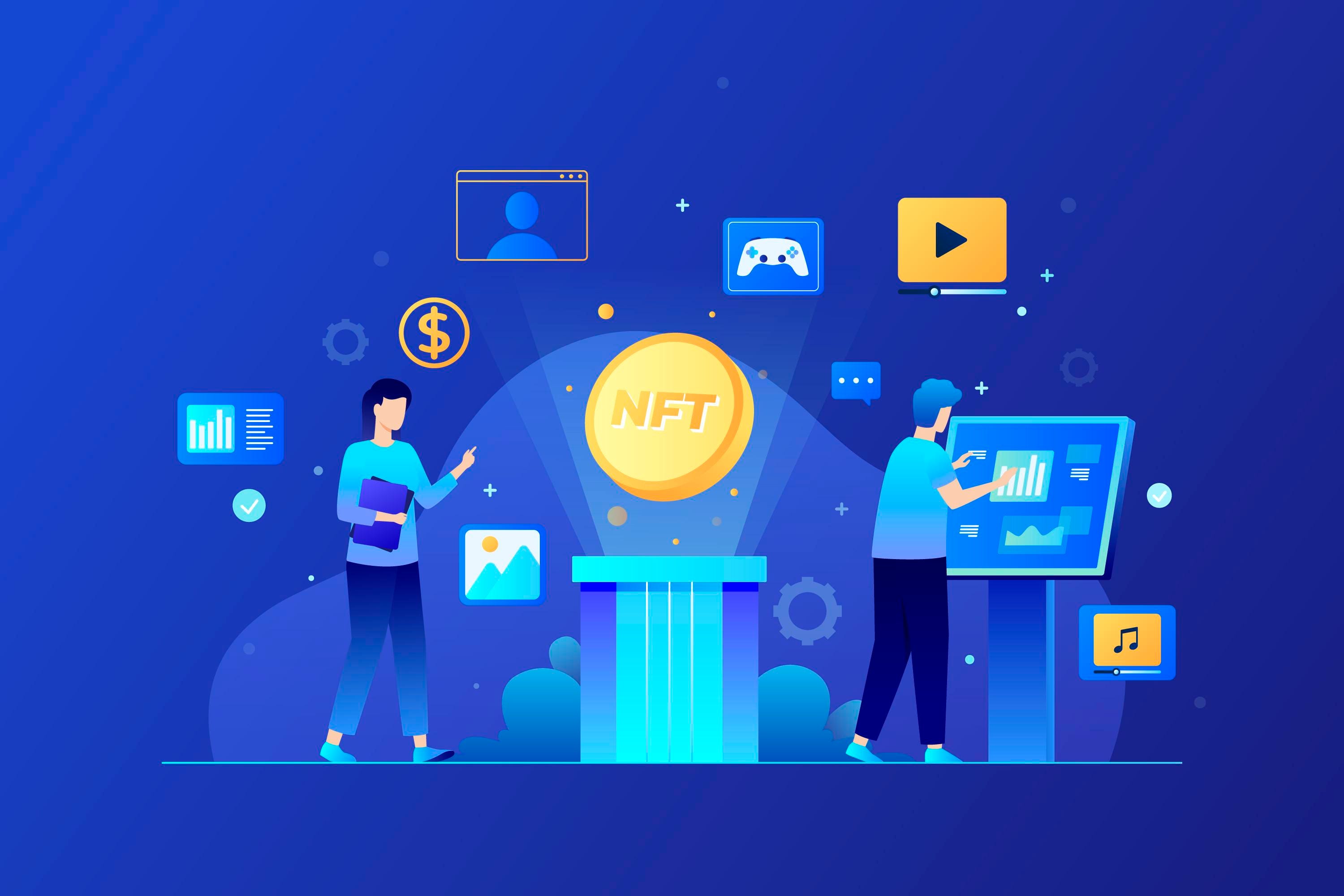
For years, talk of blockchain and digital assets felt like background noise- a speculative sideshow detached from the serious business of corporate finance. Today, that noise has coalesced into a signal too significant to ignore: asset tokenization is rapidly shifting from an experimental concept to an indispensable component of financial infrastructure.
For senior finance leaders, this isn’t about cryptocurrencies; it’s about efficiency, liquidity, and future-proofing the balance sheet. Tokenization- the process of converting rights to an asset into a digital token on a distributed ledger- is the foundational technology that promises to restructure how capital is raised, held, and transferred.
The Strategic Imperative: Solving Finance’s Friction Points
At its core, tokenization is compelling because it offers elegant solutions to three persistent, costly points of friction in traditional finance:
1. The Cost of Illiquidity
Private markets- private equity, real estate, infrastructure- are vast, but they remain notoriously illiquid. Once capital is committed, it’s locked up, creating a rigid structure that limits access for most investors and reduces the velocity of capital for issuers.
The Transformation: Tokenization enables fractionalization. A $50 million piece of prime real estate, or a tranche of high-yield corporate debt, can be digitally divided into thousands of tokens. This immediately opens the investment to a much broader pool of capital, transforming a long-term, illiquid investment into one that can be traded and valued more frequently.
The Corporate Benefit: For companies reliant on private financing, this means a wider potential investor base, potentially leading to favorable pricing and a reduction in the time it takes to execute capital raises. It democratizes access, but more importantly, it injects much-needed agility into historically slow asset classes.
2. The Drag of Settlement Delay
Every finance leader understands the risk and cost associated with $T+2$ settlement cycles for traditional securities. Capital is tied up, reconciliation is tedious, and counterparty risk lingers.
The Transformation: Tokenization, built on blockchain rails, allows for atomic, instantaneous settlement (T+0). When the buyer’s tokenized cash moves out, the asset token moves in- simultaneously. This is executed through embedded smart contracts, eliminating the need for complex, costly intermediaries like clearing houses to manage that two-day gap.
The Corporate Benefit: Imagine the implications for a corporate treasury managing global cash flows. Real-time settlement minimizes working capital requirements and nearly eliminates settlement risk in cross-border transactions, dramatically improving the accuracy and agility of daily cash positioning.
3. The Burden of Compliance and Custody
Managing the compliance and administrative requirements of complex financial instruments is a major cost center. From ensuring only qualified investors hold a specific security to managing dividend payments, the process is manual, error-prone, and slow.
The Transformation: The rules are embedded directly into the asset token via a smart contract. The token is “programmable.” For example, the contract can be coded to restrict ownership based on geography or accreditation status, making compliance automatic with every trade.
The Corporate Benefit: This shift dramatically lowers administrative overhead and enhances auditability. An internal audit of a tokenized bond ledger becomes a simple verification of the blockchain record, not a months-long project of cross-referencing multiple internal and external databases.
Looking Ahead: Structuring for Tomorrow
The move to tokenization will not happen overnight, but the strategic decision must be made today. Leaders should not wait for a single, unified regulatory framework to emerge; instead, they should focus on proving the value within contained, less-regulated environments.
The imperative is to get hands-on- experiment with tokenizing a small internal fund, a private employee stock offering, or a fractionalized piece of internal real estate. This allows the organization to build expertise, identify integration challenges with legacy systems, and prepare for the moment when major institutional players make tokenization the standard.
Ultimately, the tokenized economy promises a financial structure that is more flexible, more transparent, and significantly cheaper to operate. Finance leaders who actively champion this architectural shift will be the ones positioned to maximize capital efficiency and secure a decisive advantage in the next financial epoch.